 13 Apr, 26
 0 comments
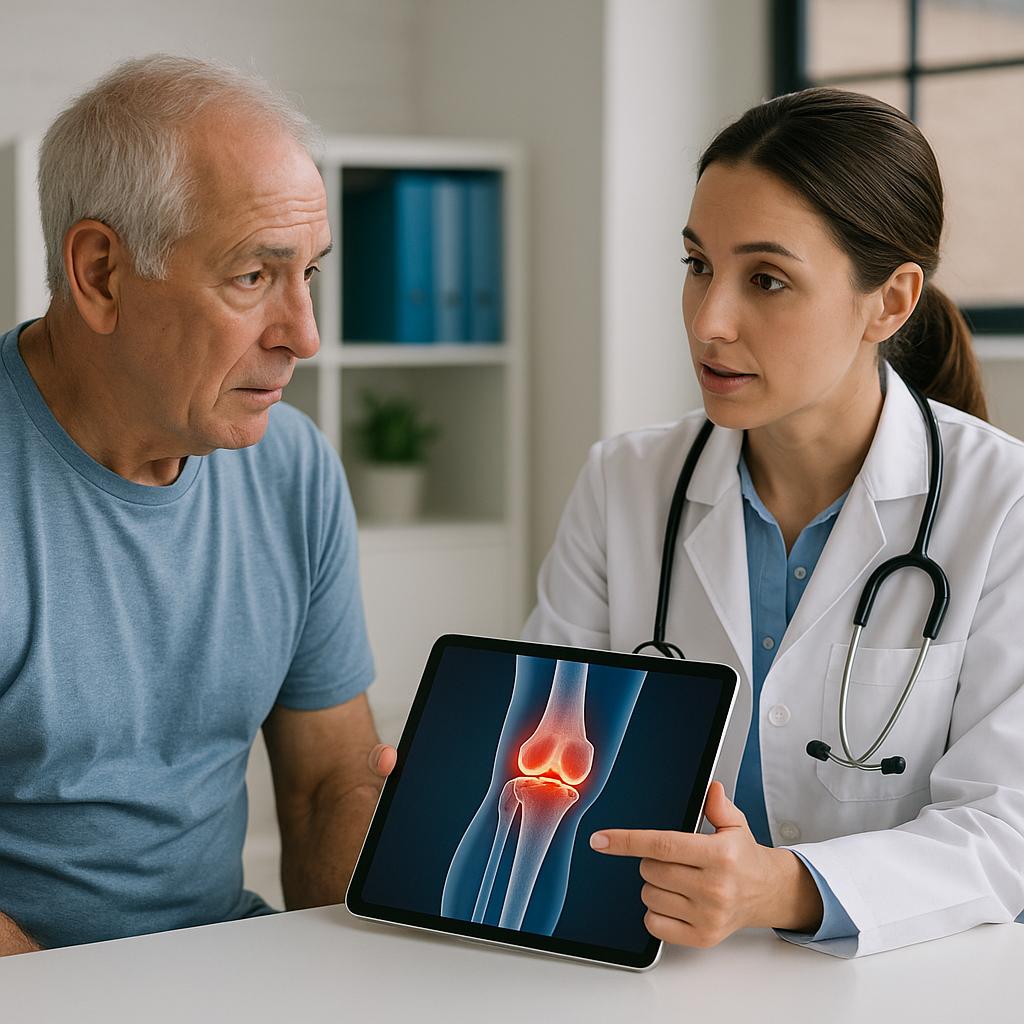
Unlock the potential of stem cell therapy for improved joint health. Learn about innovative solutions that can enhance mobility and reduce pain effectively.
13 Apr, 260 commentsUnlock the potential of stem cell therapy for improved joint health. Learn about innovative solutions that can enhance mobility and reduce pain effectively.
 26 Mar, 260 comments
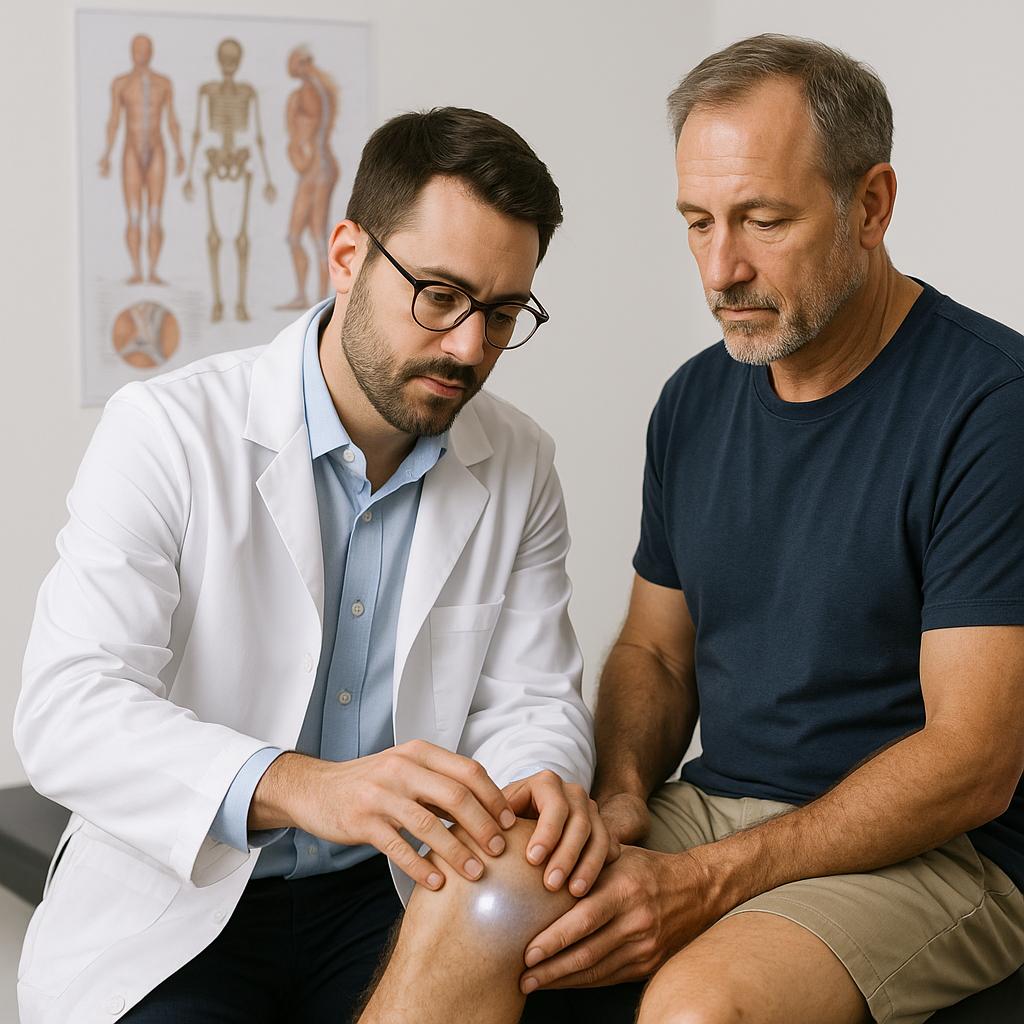
Revolutionary stem cell therapy offers hope for nerve damage recovery. Learn how this innovative treatment can enhance healing and restore function effectively.
 18 Mar, 260 comments
Uncover what makes NexGenEsis a leader among Hawaii stem cell clinics, from advanced techniques to personalized care. Elevate your health today!
 02 Mar, 260 comments
Chronic joint pain solutions at stem cell clinics offer patients hope for relief. Learn about advanced treatments and regain mobility with expert care.
 02 Mar, 260 comments
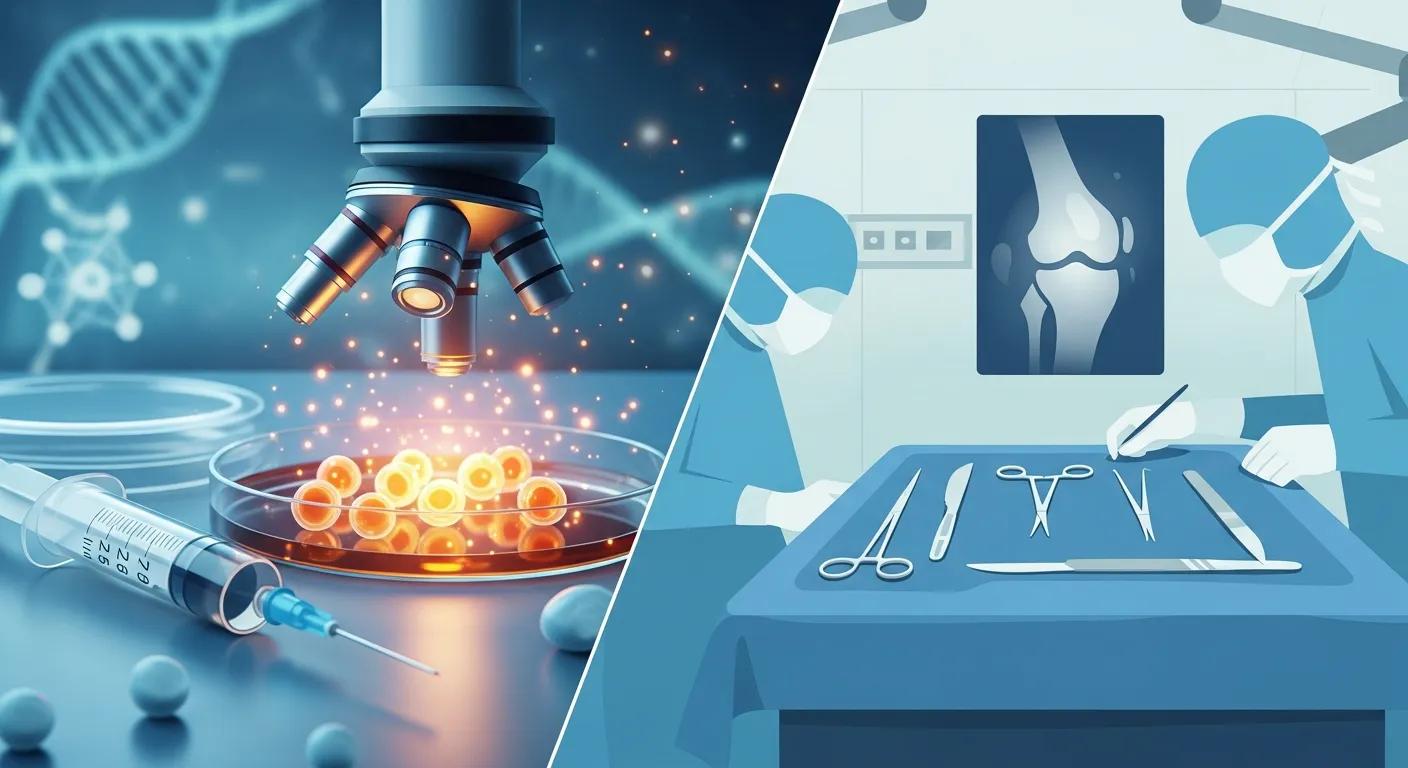
Uncover the effectiveness of stem cell treatment versus surgery for joint pain relief. Evaluate options to make informed decisions towards a pain-free life.
 02 Mar, 260 comments
Unlocking the potential of stem cell therapy, this article examines its role in nerve regeneration, offering insights into cutting-edge medical advancements.
 26 Feb, 260 comments
Is stem cell therapy suitable for you? Learn key success factors that inform the decision-making process, ensuring informed choices for effective treatments.
 26 Feb, 260 comments
Unlock effective non-surgical methods for managing arthritis pain. This comprehensive guide reveals options to enhance comfort and improve daily life.
 26 Feb, 260 comments
Explore the innovative stem cell treatment process at NexGenesis Healthcare. Learn how it can aid in healing and restoring health effectively.
 17 Feb, 260 comments
Unleash the power of stem cell therapy to transform your recovery process. Learn how innovative techniques can enhance healing and restore your vitality today!
 17 Feb, 260 comments
Experience expert non-surgical care for arthritis in San Antonio. Learn about innovative treatments that relieve pain and enhance mobility for a better life.
 17 Feb, 260 comments
Experience enhanced wellbeing through non-surgical pain relief options. Learn about effective methods to improve your quality of life today. Find relief now!
